Top Superfoods to Add to Your Diet Today
Introduction
Healthy eating works best when simple foods do heavy lifting. Many so-called superfoods earn attention because they pack fiber, protein, healthy fats, vitamins, or protective plant compounds into small servings. A practical diet does not need rare powders or costly trends. Each meal can improve with ordinary items that support energy, digestion, heart function, and brain health while fitting busy schedules, family budgets, and familiar recipes.
Blueberries
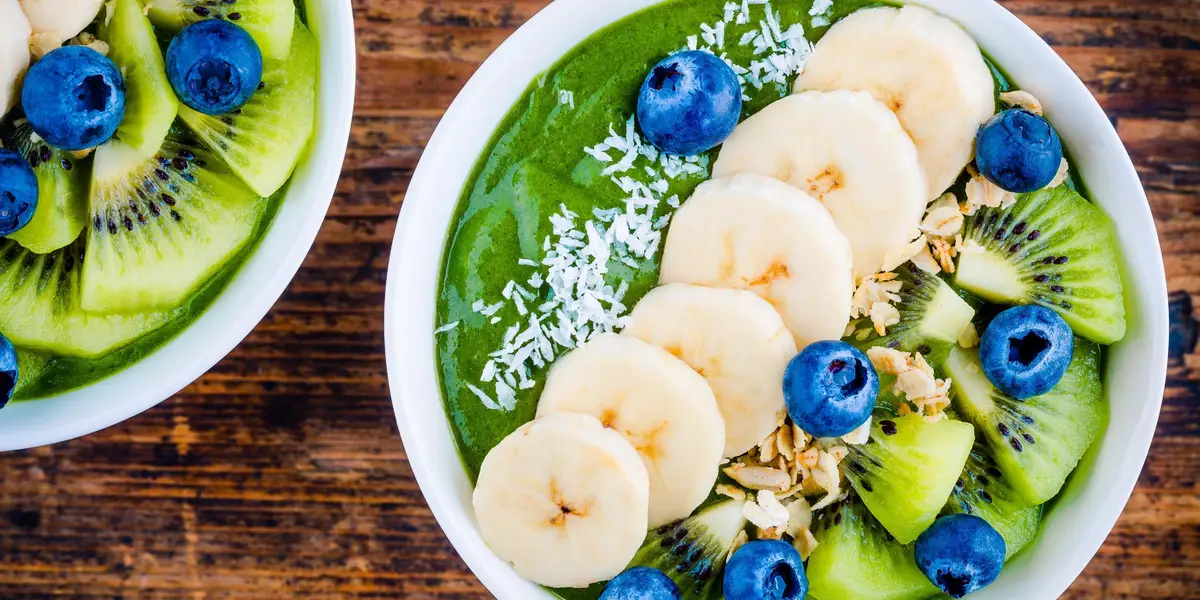
Blueberries offer strong value for very few calories. One cup has about 4 grams of fiber and useful vitamin C, while deep pigments bring anthocyanins linked with healthy aging. Their natural sweetness also helps replace desserts with less nutrition. Fresh or frozen berries work equally well in oatmeal, yogurt, or simple snack bowls.
Salmon
Salmon stands out for protein and marine omega-3 fats. A typical 3 ounce serving provides roughly 22 grams of protein plus EPA and DHA, nutrients tied to heart and brain support. Its vitamin D content adds another benefit for bone health. Baked fillets, canned portions, or salad toppers make regular use realistic.
Lentils
Lentils deliver major nutrition at low cost. One cooked cup gives about 18 grams of protein and 15 grams of fiber, which can help fullness and steadier blood sugar. Folate, iron, and potassium strengthen the profile further. Soup, curry, and grain bowls all welcome lentils without much prep or expense.
Yogurt
Plain yogurt brings protein, calcium, and live cultures into one easy food. An 8 ounce serving often offers around 8 to 10 grams of protein, with nearly 300 milligrams of calcium. Labels with active cultures add digestive value. Unsweetened options stay more useful, since flavored cups can carry dessert-level sugar.
Spinach
Spinach earns its place through nutrient density. A modest serving supplies vitamin K, folate, and vitamin A with barely any calories. That combination supports bones, blood health, and normal vision. Raw leaves fit sandwiches and salads, while cooked spinach shrinks into soups, eggs, pasta, or bean dishes without changing flavor too much.
Chia Seeds
Chia seeds look small, yet the numbers impress. Two tablespoons contain about 10 grams of fiber and a plant source of omega-3 fat. They absorb liquid, which helps create filling breakfasts and snacks. Stir them into yogurt, blend them into smoothies, or soak them overnight with milk for a quick pudding.
Oats
Oats deserve more credit in superfood lists. They provide soluble fiber, including beta-glucan, which supports healthy cholesterol levels and slows digestion. Their steady release of energy can help people avoid midmorning crashes. Steel-cut, rolled, or old-fashioned forms all work well, especially with fruit, seeds, cinnamon, or chopped nuts.
Putting Meals Together
Simple Rotation
The best plan is variety, not obsession with one item. Pair salmon with spinach, add lentils beside roasted vegetables, or top oats with blueberries and chia. Yogurt can cover breakfast or dessert without much effort. Rotating these foods across the week spreads nutrients widely and keeps meals satisfying, balanced, and easier to maintain.
Conclusion
Superfoods matter most when they become routine, affordable parts of daily meals. Blueberries, salmon, lentils, yogurt, spinach, chia seeds, and oats offer clear nutritional returns without requiring complicated planning. Their value comes from substance, not hype, because each choice adds something useful to the plate. Small swaps, repeated often, can strengthen heart health, digestion, focus, and fullness while keeping eating patterns simple enough for real life.

