How to Build a Balanced Plate for Better Nutrition
Introduction
A balanced plate gives each meal a clear structure, which helps people meet nutrient needs without strict rules or confusing math. It supports energy, digestion, blood sugar control, and long-term health. Instead of chasing perfect eating habits, most households do better with a repeatable pattern. When vegetables, protein, fiber-rich carbohydrates, and healthy fats appear together, meals feel satisfying, practical, and easier to maintain through busy weeks.
Why Balance Matters
Food choices shape focus, mood, and stamina across the day. That broader view matters because balanced eating supports the brain as well as the body. A simple plate model gives us a steady framework, even when schedules shift or appetite changes.
Start With Vegetables
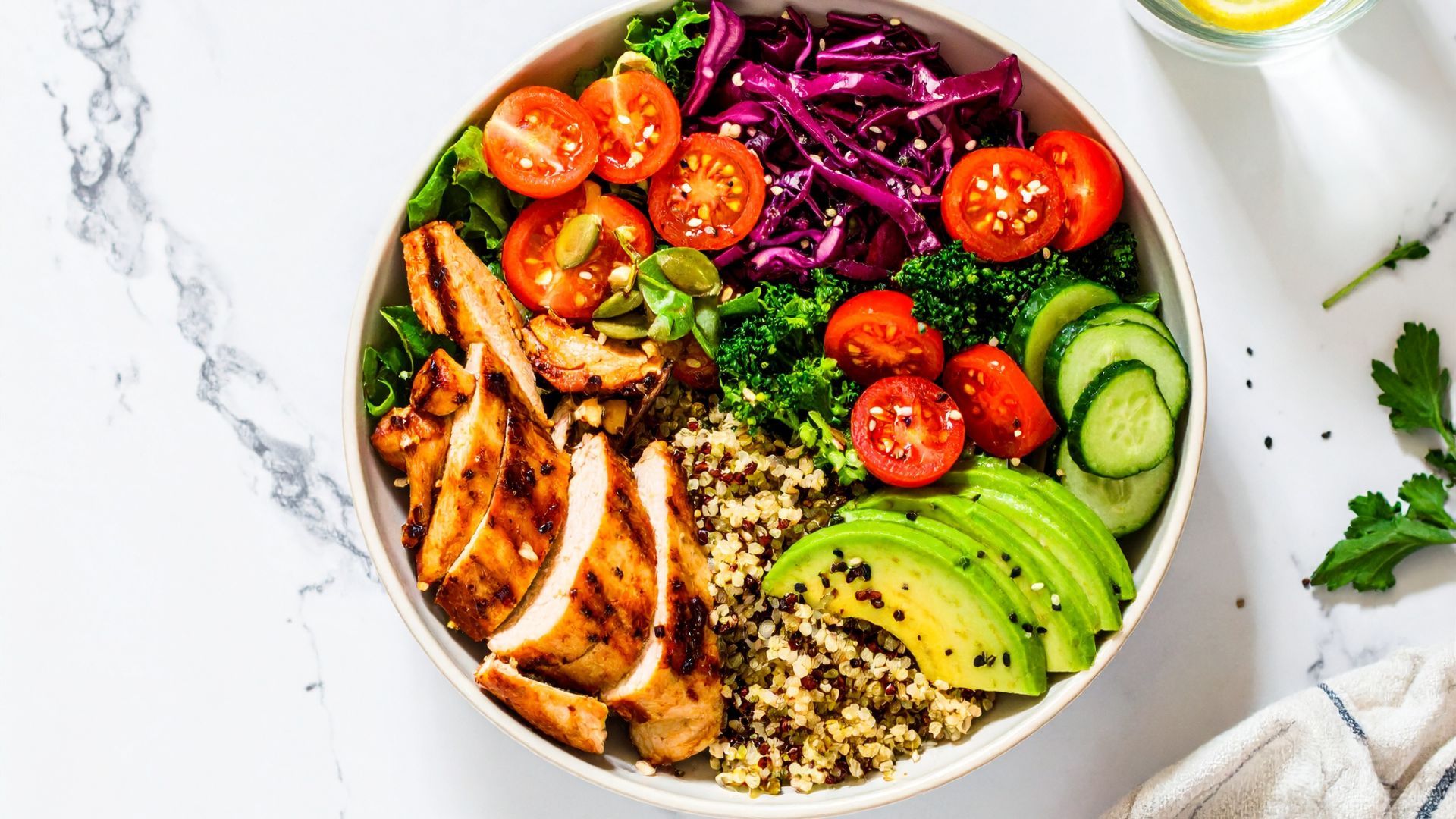
Vegetables should cover about half the plate in many meals. That share raises fiber, water, vitamins, and minerals without adding excess calories. Color also matters here. Dark greens, orange vegetables, red peppers, tomatoes, and purple cabbage each bring a different nutrient mix. Fresh, frozen, or lightly cooked options can all work well.
Add a Protein Source
Protein gives meals staying power and helps maintain muscle, repair tissue, and support fullness. A quarter of the plate can come from chicken, fish, eggs, beans, tofu, Greek yogurt, or lean beef. Portion size does not need to be exact every time. A palm-sized serving often offers a useful visual guide for adults.
Choose Smart Carbohydrates
The last quarter of the plate can hold carbohydrate foods that offer fiber and steady energy. Brown rice, oats, sweet potatoes, whole grain pasta, lentils, corn, and quinoa are solid choices. Refined items can still fit sometimes, yet meals tend to feel better when the carbohydrate choice digests more slowly and keeps hunger calmer for longer.
Do Not Skip Healthy Fats
Balanced plates need fat as well, even if it is not the largest item. Olive oil, avocado, nuts, seeds, and nut butters help with satiety and nutrient absorption. Fat also improves flavor, which makes healthy meals easier to repeat. A spoonful of dressing, a few slices of avocado, or a small handful of nuts often does the job.
Build Better Breakfasts
Breakfast often leans too heavily on sugar or starch. A stronger morning plate includes protein, produce, and fiber. Greek yogurt with berries and seeds works well. Eggs with spinach and toast also fit. Oatmeal becomes more balanced when paired with milk, nuts, and fruit. Those combinations can reduce midmorning crashes and random snacking later.
Make Lunch More Reliable
Lunch should be simple enough for workdays and school days. Grain bowls, wraps, salads, and leftovers all work when the plate pattern stays visible. A chicken bowl with brown rice, roasted vegetables, and tahini checks each box. A bean wrap with lettuce, salsa, cheese, and fruit also creates balance. Planning one dependable lunch formula saves time.
Shape Dinners With Portions
Dinner can follow the same pattern without feeling repetitive. Half the plate can hold roasted vegetables or salad. One quarter can include salmon, turkey meatballs, or tofu. The final quarter can feature potatoes, rice, or whole grain noodles. Soup or stew can count too, if vegetables, protein, and starch appear in reasonable amounts within the bowl.
Use Snacks With Purpose
Snacks work best when they fill a gap instead of acting like a second dessert. Pairing protein with fiber usually creates better satisfaction. Apples with peanut butter, carrots with hummus, cheese with whole grain crackers, or yogurt with fruit all make sense. If a snack contains only quick sugar, hunger often returns soon after eating.
Keep It Realistic
Perfect plates are not required at every meal. A balanced approach leaves room for restaurant food, celebrations, budget limits, and changing tastes. What matters most is the pattern across days. Frozen vegetables, canned beans, rotisserie chicken, and prewashed greens can reduce effort without lowering quality. Small upgrades, repeated often, usually beat large plans that fade quickly.
Conclusion
Building a balanced plate is a practical method for better nutrition because it turns broad advice into an easy visual habit. Half vegetables, one quarter protein, one quarter fiber-rich carbohydrates, plus healthy fats, creates meals that support fullness and steady energy. With that pattern in place, households can adapt breakfast, lunch, dinner, and snacks without stress. Consistency matters more than perfection, and simple structure helps our choices stay steady.

