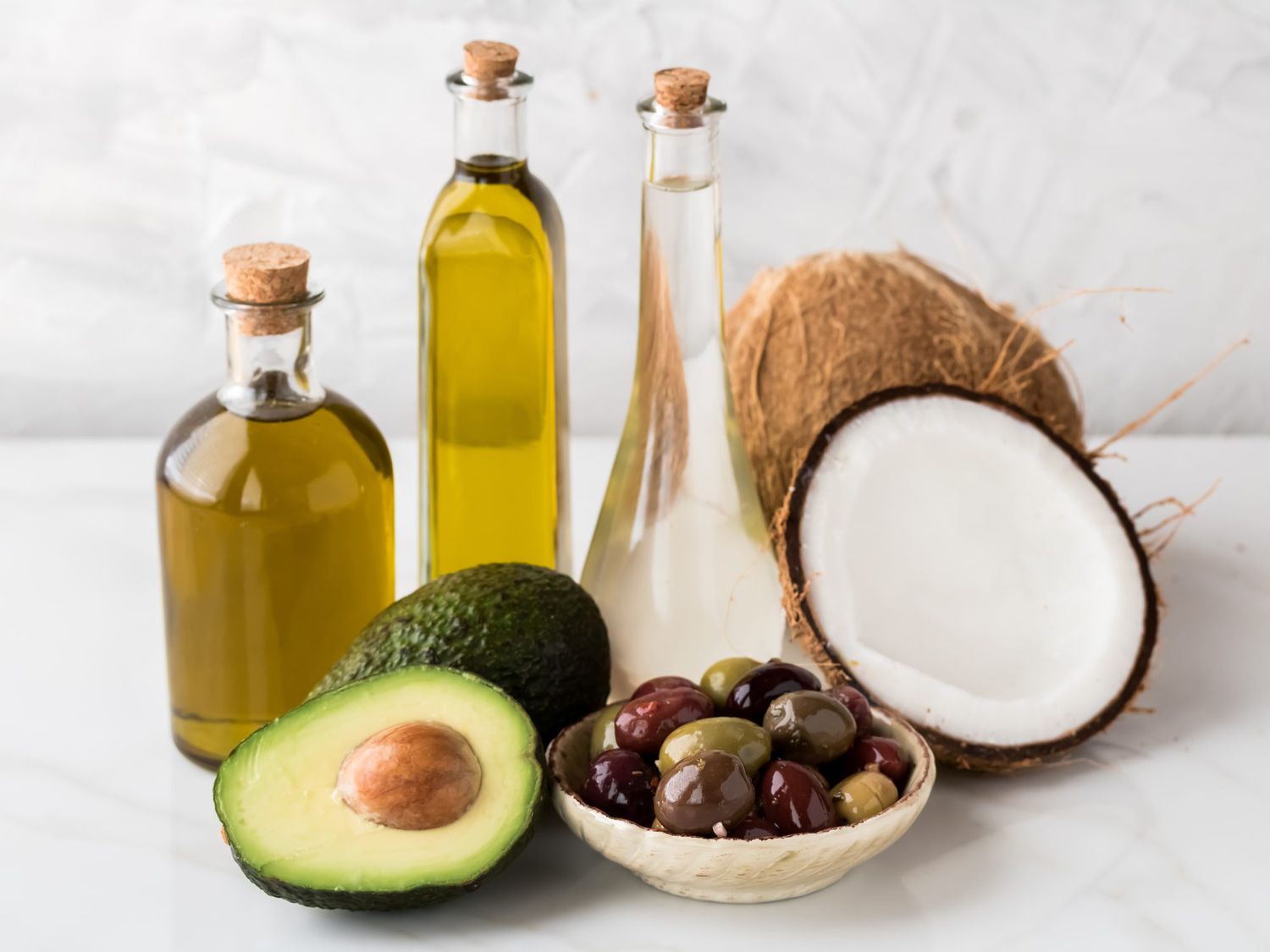
What Are the Healthiest Cooking Oils? A Complete Comparison Guide
Cooking oil is one of those everyday ingredients that quietly shapes your health. The type of fat you use affects heart health, inflammation, hormone production, and even how well food holds up at high temperatures. But the “healthiest” cooking oil isn’t the same for every purpose. Some oils are ideal for salads and low-heat cooking, while others are better for frying or roasting because they are more stable when heated.
This comparison guide explains the healthiest cooking oils, how to choose the right one for your needs, and which oils to limit.
What Makes a Cooking Oil “Healthy”?
Not all fats are equal. Oils differ in their fatty acid profile and how they react to heat.
Key factors to consider
- Type of fat:
- Monounsaturated fats (MUFA): Often heart-friendly; stable for cooking (e.g., olive oil, avocado oil).
- Polyunsaturated fats (PUFA): Includes omega-3 and omega-6; beneficial but can be less stable at high heat (e.g., flaxseed oil).
- Saturated fats: More stable when heated; should be used in moderation for many people (e.g., coconut oil, ghee).
- Smoke point: The temperature where oil begins to smoke and degrade.
- Processing: Extra-virgin and cold-pressed oils retain more nutrients; highly refined oils are more heat-stable but less nutrient-rich.
- Flavor + intended use: Some oils overpower dishes; others are neutral.
Extra Virgin Olive Oil (EVOO): Best Overall for Everyday Use
Extra virgin olive oil is often considered the top choice for general health due to its high monounsaturated fat content and antioxidants (polyphenols).
Best for
- Salad dressings
- Light sautéing
- Low-to-medium heat cooking
- Finishing dishes (drizzling)
Pros
- Strong evidence for heart health (Mediterranean diet patterns)
- Contains antioxidants that support inflammation control
Cons
- Flavor may not suit every dish
- Not ideal for very high-heat frying
Avocado Oil: Best for High-Heat Cooking
Avocado oil is rich in monounsaturated fats and is usually more heat-stable than EVOO, especially when refined. It has a mild flavor and works well for roasting and grilling.
Best for
- High-heat sautéing
- Roasting and grilling
- Pan-searing
Pros
- High smoke point (especially refined)
- Neutral taste, versatile
Cons
- Can be expensive
- Quality varies; some products may be blended
Canola Oil: A Practical, Budget-Friendly Option (With Caveats)
Canola oil has a relatively favorable fat profile (low saturated fat, more monounsaturated fats, some omega-3). It’s widely used because it’s affordable and neutral.
Best for
- Baking
- Medium-high heat cooking
- Everyday neutral cooking
Pros
- Affordable and widely available
- Neutral flavor
Cons
- Often highly refined
- People who prefer minimally processed foods may choose alternatives
Sunflower, Safflower, and Corn Oil: Use Selectively
These oils are often high in omega-6 polyunsaturated fats. Omega-6 fats are essential, but many diets already contain a lot of them. High omega-6 intake without enough omega-3s may contribute to an imbalanced fat profile for some people.
Best for
- Occasional use
- High-heat cooking (refined versions)
Pros
- High smoke point (refined)
- Neutral taste
Cons
- Typically low in omega-3
- Easier to overconsume in processed foods
Sesame Oil: Great Flavor, Better in Small Amounts
Sesame oil adds strong flavor and contains a mix of fats plus antioxidant compounds (like sesamol). Toasted sesame oil is best used as a finishing oil due to its intense taste.
Best for
- Stir-fries (small amounts)
- Marinades and sauces
- Finishing Asian-inspired dishes
Pros
- Rich flavor so you need less
- Contains antioxidants
Cons
- Not usually used as the main daily cooking oil
- Toasted versions are less suited for high heat
Coconut Oil: Popular but Not the Best Daily Choice for Everyone
Coconut oil is high in saturated fat and is very stable for cooking. Some people like it for taste and baking. However, because of its saturated fat content, many health guidelines suggest using it in moderation—especially if you have high LDL cholesterol.
Best for
- Baking
- Occasional sautéing
- Recipes where coconut flavor fits
Pros
- Heat stable
- Long shelf life
Cons
- High saturated fat; not ideal as the main everyday oil for many
Flaxseed Oil: Best for Cold Use (Never for Cooking)
Flaxseed oil is rich in omega-3 fats (ALA), but it is very sensitive to heat and oxidizes easily.
Best for
- Salad dressings
- Adding to smoothies (small amounts)
- Drizzling over cooked food after it cools slightly
Pros
- Excellent plant-based omega-3 source
Cons
- Not heat-stable; should not be used for frying or sautéing
- Needs refrigeration and quick use
Ghee and Butter: Traditional Options, Use in Moderation
Ghee (clarified butter) has a higher smoke point than butter and can be a good high-heat cooking fat in small amounts. Both contain saturated fat, so they’re best used as part of an overall balanced diet rather than the main fat source.
Best for
- High-heat cooking (ghee)
- Flavoring and occasional use
Pros
- Heat stable (especially ghee)
- Rich flavor
Cons
- Higher saturated fat content
The Healthiest Approach: Match the Oil to the Job
Instead of picking one oil for everything, consider a “small oil toolkit”:
A simple, healthy oil set
- Extra virgin olive oil for daily low-to-medium cooking + salads
- Avocado oil (or refined olive oil) for high-heat roasting and searing
- Flaxseed oil for cold omega-3 boost (optional)
- Sesame oil for flavor (optional)
Oils to Limit or Avoid
The biggest problems usually come from oils that are repeatedly heated, used in deep frying, or consumed through ultra-processed foods.
Limit:
- Deep-fried foods (oil is often reused and oxidized)
- Products with “partially hydrogenated oils” (trans fats—avoid when possible)
- Excessive intake of refined seed oils through packaged snacks and fast food
Conclusion
The healthiest cooking oils depend on how you use them. For most people, extra virgin olive oil is the best everyday choice due to its heart-friendly fats and antioxidants. For higher-heat cooking, avocado oil is a strong option. Oils like flaxseed are excellent for cold use but not cooking, while coconut oil, butter, and ghee can fit in moderation.
If you share how you cook most often (frying, roasting, salads, Indian cooking, etc.) and any health goals (weight loss, cholesterol, diabetes), I can suggest the best oil choices for your kitchen.

