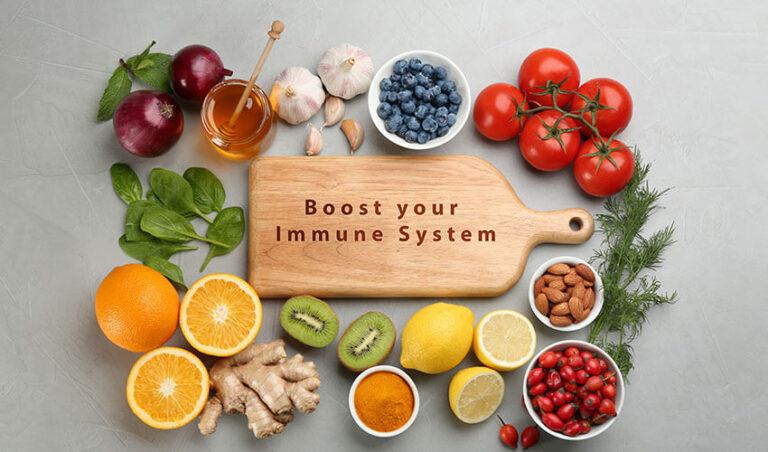
Top 12 Superfoods That Boost Immunity Naturally
It takes time to build a strong immune system, and it’s not a result of one “magic ingredient”. Daily habits are important for a healthy immune system: sleep quality, stress management and movement. Certain foods are particularly beneficial because they contain vitamins, minerals and antioxidants that can help your body recover and defend itself.
Superfoods are a term that is used often, but they simply refer to foods high in nutrients. Superfoods are often natural, easily accessible and can be added to meals on a regular basis. Here are 12 superfoods which can naturally boost immunity, and simple ways to consume them.
Citrus Fruits: Oranges, lemons, grapefruit
Citrus fruits contain vitamin C which is an antioxidant and supports immune cells. Vitamin C helps the body absorb iron, which is important for energy and immunity.
How To Use: Add oranges to your water, add grapefruit to breakfast, or snack on lemon.
Garlic
Garlic contains sulfur compounds, such as Allicin. These compounds have been studied to determine their antimicrobial and immunosupportive effects. Garlic consumption may support heart health.
Use: Add freshly minced garlic to sauces, soups, stir fries, and roasted veggies. It is beneficial to crush garlic and let it sit before cooking.
3) Ginger
Ginger has a soothing and anti-inflammatory effect, which is especially beneficial for digestion and throat comfort. It may help support immune balance through reducing chronic inflammation.
How To Use: Add grated ginger to stir-fries and curries or blend in small quantities into smoothies.
Turmeric (With Black Pepper).
Turmeric is rich in curcumin. This compound has been linked to anti-inflammatory properties and antioxidant benefits. Curcumin absorbs better when combined with Black Pepper and a little fat.
Use: Add turmeric to soups, rice dishes or roasted vegetables. You can also add it to warm milk (goldenmilk) and sprinkle with black pepper.
Yogurt – Unsweetened (with Live Cultures).
Your gut is a large part of the immune system. Live cultures in yogurt can help support healthy bacteria in the gut and improve digestion.
Use: Add berries, nuts or cinnamon to unsweetened yogurt. If you are dairy-free, choose a plant-based yogurt that has added probiotics.
6) Berries (Blueberries, Strawberries, Raspberries)
Berries contain antioxidants such as flavonoids, and Vitamin C that help to protect cells against oxidative stress. Fiber is also important for gut health.
Add berries in oatmeal, smoothies or yogurt.
7) Leafy Greens (Spinach, Kale, Swiss Chard)
Folate and antioxidants are also found in leafy greens. Vitamin A is important for the health of mucous membranes and skin, which are physical barriers to germs.
How To Use: Add kale to soups or sautee greens.
8) Nuts and Seeds: Almonds, Sunflower Seeds and Pumpkin Seeds
They are rich in vitamin A and zinc. Vitamin E, an antioxidant, supports immune function. Zinc is essential for immune cell development.
How To Use: Sprinkle seeds on salads or soups, or eat a small handful of them as a snack.
9) Fatty Fish
Fatty fish contains Omega-3 fatty acid (EPA and DHA) which helps regulate inflammation and supports immune balance. This fish is also a good source of Vitamin D which has been linked to immune health.
How To Use: Eat fatty fish at least a few days per week. Consider omega-3-rich alternatives such as chia and flaxseed or foods fortified with vitamin D if you do not eat fish.
10) Green Tea
Green tea contains antioxidants catechins that can support the immune system. L-theanine is also present, which can help promote focus and calmness.
How To Use: You can drink it hot or cold without sugar. Add lemon to flavor.
11) Mushrooms (Shiitake, Maitake, Button)
They contain compounds like betaglucans that are studied to see if they can support immunity. Minerals like copper and selenium are also found in mushrooms.
Use: Add mushrooms to soups, pasta, and stir-fries. Cook them for better digestibility.
12) Beans and lentils
Beans and lentils are rich in iron, zinc and fiber. This combination promotes gut health and stable energy, which are both essential for immune resilience.
How To Use: Add chickpeas or lentils to salads. You can also add beans to grain bowls or wraps.
Superfoods: How to Eat Them Without Thinking Too Much
You don’t have to eat them all every day. Create simple routines instead:
Easy Daily Combos
- Breakfast: Yogurt + berries + seeds
- Lunch: Leafy greens salad + beans + citrus dressing (lemon/olive oil)
- Dinner: Garlic ginger stir-fry + turmeric seasoning
- Drinks : Warm lemon water or green tea
Consistency is the key
Small daily servings are more beneficial than large “health kicks” on occasion. Daily small servings are more beneficial than large, occasional “health kicks.”
Conclusion
To boost your immunity naturally, you need to nourish your immune cells, strengthen your barriers and reduce inflammation. Citrus fruits are a powerful option that is also affordable and practical.
If you can share with me your usual meals and diet (vegetarians, vegans, or non-vegetarians), I can create a 3-day menu that focuses on immunity using these superfoods.

