The Ultimate Guide to Healthy Drinks: What to Drink and What to Avoid
When people think about healthy eating, they usually focus on food first. But what you drink can impact your energy, digestion, weight, sleep, immunity, and even mood just as much. Some drinks quietly add large amounts of sugar and calories, while others support hydration, provide nutrients, and help you feel better throughout the day.
This guide breaks down the healthiest drink choices, how to build better daily habits, and which beverages to limit or avoid—without making life feel restrictive.
Why Your Drink Choices Matter
Your body uses water to regulate temperature, transport nutrients, support brain function, and remove waste. Even mild dehydration can lead to headaches, fatigue, low concentration, and cravings that feel like “hunger.” On the other hand, sugary drinks can spike blood sugar and contribute to energy crashes, while too much caffeine or alcohol can disrupt sleep and hydration.
A healthy drink routine supports three big goals:
- Hydration (water balance)
- Stable energy (avoiding sugar spikes)
- Nutrient support (vitamins/minerals without excess calories)
What to Drink More Often (Healthy Choices)
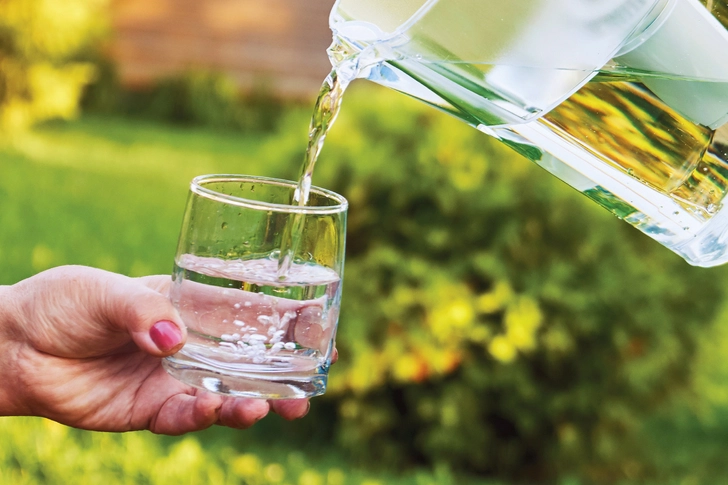
1) Water (Still or Sparkling)
Water is the best daily default. It hydrates without sugar, caffeine, or additives.
Tips to make it easier:
- Keep a bottle at your desk or in your bag
- Add lemon, cucumber, or mint for flavor
- Choose unsweetened sparkling water if you want fizz
2) Herbal Teas
Herbal teas (like chamomile, peppermint, ginger, hibiscus) hydrate and can support digestion and relaxation—without caffeine.
Best times:
- After meals (peppermint or ginger)
- Evening wind-down (chamomile)
3) Unsweetened Green Tea or Black Tea
Tea contains antioxidants and moderate caffeine. Green tea is especially known for compounds that support heart and metabolic health.
Keep it healthy by:
- Avoiding heavy sugar syrups
- Using a splash of milk or cinnamon instead of sweeteners
4) Milk or Fortified Plant Milks (Unsweetened)
Milk provides protein, calcium, and often vitamin D. Unsweetened soy milk can be a strong plant-based option with protein; other plant milks vary widely.
Check the label for:
- “Unsweetened”
- Added calcium and vitamin D
- Minimal additives
5) Smoothies (Best When Balanced)
Smoothies can be healthy, but they can also become sugar-heavy if they’re mostly fruit juice and sweeteners.
A better smoothie formula:
- 1–2 servings fruit (berries are great)
- A handful of spinach or other greens
- Protein (Greek yogurt, milk/soy milk, protein powder)
- Healthy fat/fiber (chia/flax, nut butter)
6) Electrolyte Drinks (Only When Needed)
Electrolytes are useful after intense sweating (long workouts, heat exposure, vomiting/diarrhea). For everyday hydration, most people don’t need them.
Choose options with:
- Low or no added sugar
- Clear labeling of sodium/potassium
Drinks to Limit (Not “Bad,” Just Not Daily)
1) Coffee (Especially Sweet Coffee Drinks)
Coffee can improve alertness and performance, but too much can increase anxiety, worsen acid reflux, or disrupt sleep.
Healthier coffee habits:
- Aim for earlier in the day (avoid late afternoon/evening)
- Keep add-ins simple (milk, cinnamon)
- Watch sugar in flavored lattes, mochas, and bottled coffees
2) 100% Fruit Juice
Even when it’s “natural,” juice is concentrated sugar without the full fiber of whole fruit. It can spike blood sugar and leave you hungry.
If you drink it:
- Keep portions small (e.g., ½ cup)
- Dilute with water or choose whole fruit instead
3) Sports Drinks
Sports drinks are designed for endurance exercise, not regular daily use. Many contain significant sugar.
Better use case:
- Long workouts (typically 60+ minutes) or intense training
What to Avoid or Keep Rare (For Better Energy and Health)
1) Sugary Soft Drinks and Sodas
Regular soda is one of the easiest ways to consume excess sugar quickly. It offers minimal nutrition and can contribute to energy crashes.
Swap with:
- Sparkling water + lemon/lime
- Unsweetened iced tea
2) Energy Drinks
Energy drinks often combine high caffeine with sugar or sweeteners and stimulants. They can cause rapid heart rate, anxiety, poor sleep, and dependency.
Better alternatives:
- Water + a walk for a natural boost
- Coffee or tea in moderate amounts
3) Sweetened “Health” Drinks
Many bottled drinks marketed as “vitamin water,” “detox,” or “immunity” drinks still contain added sugars or syrups.
Rule of thumb:
- If sugar is in the first few ingredients, it’s closer to a soft drink than a health drink.
4) Excess Alcohol
Alcohol can disrupt sleep quality, dehydrate you, and add empty calories. It may also increase cravings for salty or sugary foods.
If you drink:
- Alternate with water
- Choose lower-sugar options and keep portions moderate
How to Build a Simple Daily Healthy Drink Routine
Morning
- Start with water (especially if you drink coffee)
- If you want caffeine, choose coffee or tea with minimal sugar
Midday
- Keep a bottle nearby and sip regularly
- Add herbal tea if you want a warm drink without more caffeine
Workout/Hot Weather
- Use electrolytes only if sweating heavily or exercising long
Evening
- Choose herbal tea or water to protect sleep
- Avoid caffeine late in the day
Quick Label Checklist (So You Don’t Get Tricked)
When buying bottled drinks, check:
- Added sugar (aim low)
- Calories per serving (watch serving sizes)
- Caffeine amount (especially in teas/energy drinks)
- Artificial sweeteners (some people tolerate them, others get cravings or stomach upset)
Conclusion
Healthy drinks don’t have to be complicated. Make water your main drink, add unsweetened teas for variety, and use coffee, smoothies, and electrolyte drinks strategically. Limit sugary drinks, energy drinks, and frequent alcohol to protect your energy, focus, and immune health.
If you tell me your age range, activity level, and whether you prefer vegetarian/vegan options, I can suggest a simple “what to drink in a day” plan tailored to you.

