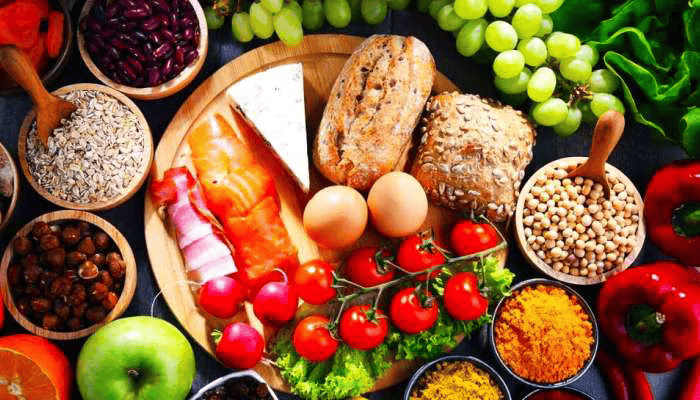
Balanced Diet Explained: Best Foods and Drinks for Daily Nutrition
It can be confusing to hear the phrase “balanced eating” but many people use it. Many people believe that a balanced diet means following a strict meal plan, avoiding favorite foods or limiting portion sizes. A balanced diet is a way to eat that provides your body with the nutrients it requires, consistently and in the correct proportions, for energy, immunity and brain function.
A balanced diet does not focus on perfection but on quality, variety, and consistency. This blog post explains what a balanced meal is, which foods and beverages to include every day, and how you can create meals that are practical.
What is a balanced diet?
The major nutrients your body requires are included in a balanced diet.
- Carbohydrates as energy sources (preferable high-fiber and minimally processed sources).
- Protein is essential for muscle repair, immune system function and steady appetite
- Healthy Fats to support hormones, brain health and vitamin A, D, K, E and K absorption
- Minerals and vitamins are essential for a wide range of bodily processes, including immunity, blood health, bone density, metabolism, etc.
- Fiber to aid digestion, gut health and blood sugar stabilization
- Electrolytes and Water to hydrate, circulate, and control temperature
It’s not about avoiding carbs or fats, but about eating the right sources of food and keeping your portions in check.
Best Foods to Eat Daily to Balance Nutrition
Vegetables are a must (especially leafy greens).
Leafy greens like spinach, kale and lettuce are good for the immune system and reduce inflammation.
Simple ways to add them
- Lunch with a side salad
- Stir-fried vegetables for dinner
- Spinach smoothies and omelets
Fruits (Whole Fruits over Juice)
Fruits are rich in vitamins, antioxidants and water. Whole fruits contain fiber which slows sugar absorption, and helps digestion.
The best options for everyday use:
- Berries, apples, oranges, bananas, pears
Whole Grains
Whole grains are rich in fiber and energy. These grains are rich in B vitamins, minerals such as magnesium and other nutrients.
Good Choices:
- Whole wheat, quinoa and brown rice
4) Protein Sources (Animal or Plant)
Protein is important for the immune system, as well as supporting muscles and keeping you full.
Healthy protein choices:
- Eggs, chicken, fish and turkey
- Beans, lentils, tofu, tempeh
- Greek yogurt and cottage cheese (if dairy products are included)
Healthy Fats
Healthy fats are essential for brain health and hormone balance. These fats also make you feel fuller after eating.
Best sources:
- Olive oil, avocado, nuts, seeds
- Fatty fish (salmon and sardines), for omega-3s
6) Alternatives to Dairy and Fortified Foods
Calcium and protein are found in dairy foods. Fortified plant milks can fill in the gaps if you do not consume dairy.
Choose:
- Unsweetened milk and yogurt
- Fortified soymilk or other plant milks
The Best Drinks to Consume Daily
Nutrition includes hydration. Some people are tired or hungry because they don’t drink enough water.
Water (Your Daily Basis)
Your main beverage should be water. Water is good for digestion, energy, and body temperature regulation.
Tip: Drink water to start your day and keep a nearby bottle.
Herbal tea and unsweetened tea
Herbal teas are great for digestion and relaxation. Green tea contains antioxidants and caffeine.
Coffee (In Moderation).
If you don’t add too much sugar or cream, coffee can be a part of your balanced routine. Avoid caffeine late in the day that can disrupt sleep.
Smoothies (When balanced)
Smoothies are nutritious, but should contain protein and fiber – not just fruit.
Balanced Smoothie Formula:
- Fruit + greens + protein + healthy fat/fiber
What Limits Should You Set?
Limit:
- Sugary sodas
- Sweetened juices
- Energy drinks
- Alcohol excess
How to build a balanced plate (simple method)
The “plate method” is a practical way to balance your meals.
- Half plate: Vegetables (and some Fruit)
- 1/4 plate: protein (fish, eggs, beans, tofu, chicken)
- 14 plate: whole grains (oats or rice) or starchy vegetables
- Add a little healthy fat to your diet (olive, almonds, avocado).
The fiber and protein content of the meal will naturally increase.
Simple Example of a Balanced Day’s Eating
Breakfast
- Oatmeal + berries + chia seeds
- Whole grain toast + eggs with spinach
Lunch
- Salad or vegetable dish with beans/chicken and olive oil dressing
- Fruits on the Side
Snack
- Greek yogurt with Nuts or
- Apples with peanut butter
Dinner
- Salmon/tofu + brown rice/quinoa plus roasted vegetables
- After-dinner herbal tea
Common mistakes that throw off balance
These habits can cause your diet to be less balanced, even if you eat healthy food.
- Too little protein can lead to excessive hunger and snacking
- Fiber deficiency (causing digestive issues and sugar cravings).
- Drinking calories
- Skip meals to overeat later
- Sleeping too little (increases cravings, reduces energy).
Conclusion
Balanced eating isn’t about following strict rules. It’s about nourishing your body with healthy fats and proteins, vegetables, fruits and whole grains. You should also stay hydrated, limit sugary drinks and drink plenty of water. By following simple guidelines, such as the plate method to build your meals, you can make daily nutrition easier and more sustainable.
If you tell me your age range, activity level, and dietary preference (vegetarian/non-veg/vegan), I can suggest a balanced 7-day meal and drink plan that fits your routine.

