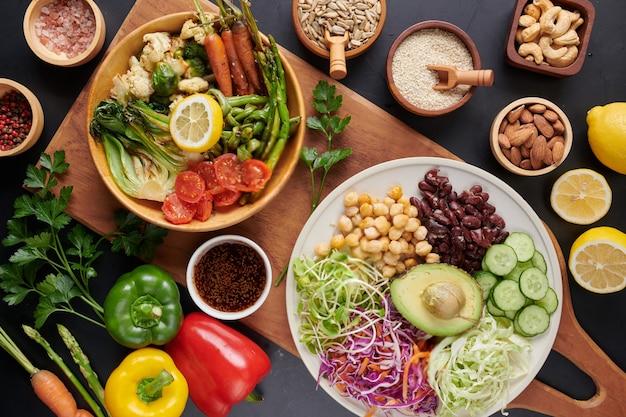
10 Healthy Foods You Should Eat Every Day for Better Energy and Immunity
Your daily food choices are more important than supplements if you want to have steady energy, less crashes and a stronger immunity system. To build protective cells and control inflammation, the immune system relies on a steady supply of nutrients, including vitamins, minerals, antioxidants and protein. Your energy level is also dependent on a stable blood sugar, proper digestion, hydration and enough fuel for your muscles and brain.
It’s not about perfection or extreme diets. Consistency is key: eat a variety nutrient dense foods every day or almost every day to support your body’s functions. Here are 10 foods that you can eat daily to boost your energy and immunity. You’ll also find simple recipes to include them in.
Note:
This is not medical advice, but general information about nutrition. Consult a healthcare professional if you suffer from allergies, medical conditions or are taking medication (especially diabetes or blood thinners).
1) Eggs
The eggs are a good source of protein. They help stabilize your energy levels and support immune function. (Your body needs protein in order to produce antibodies). Eggs are also a good source of B vitamins, which help with energy metabolism. They also contain nutrients such as selenium and Choline.
Simple ways to eat every day:
- As a snack, boiled eggs are a good choice
- Scrambled Eggs with Vegetables
- Eggplant with spinach and tomato
2) Greek Yogurt (or Unsweetened Yogurt)
Yogurt provides protein and probiotics–beneficial bacteria that support gut health. A healthy microbiome is important for your immune system, as it’s linked to the gut. It can also reduce inflammation.
Tips:
- Avoid sweetened products to avoid extra sugar.
- Add cinnamon, fruit, nuts or other flavors.
3) Leafy Greens (Spinach, Kale, Lettuce)
Vitamin A is essential for skin and mucous membranes. Vitamin A is essential for the health of your skin and mucous tissues, which are the first lines of defense in your body. Vitamin C is important for immune cell function as well as antioxidant protection.
Easy ways to eat every day:
- Add spinach to smoothies
- Add greens to soups and stir-fries
- Make a salad side with lemon and olive oil
4) Berries (Blueberries, Strawberries, Raspberries)
Berry is a great source of antioxidants. Flavonoids are especially beneficial in protecting cells from oxidative damage. Also, they contain vitamin C and fibre which help with digestion and provide a steady energy.
Daily Ideas:
- Add berries to yogurt and oatmeal
- Blend into smoothies
- Eat as a dessert replacement
Citrus Fruits: (Oranges Lemons Grapefruit
Vitamin C is a well-known antioxidant in citrus fruits. It helps to support immune function and aids your body’s absorption of iron. Citrus fruits also contain plant compounds that can support overall health.
Simple habits:
- Add lemon to water
- Snack on an orange
- Add grapefruits to your breakfast (if they are compatible with medications you take)
Garlic
Garlic contains sulfur compounds, such as allicin, that have been studied to support the immune system. Garlic won’t cure every illness but regular use may support immune health.
Use daily:
- Add minced garlic when cooking (soups and sauces, sauteed veggies)
- Mix in yogurt-based dips
- Add to roasted vegetables
Nuts and Seeds: (Almonds and Walnuts; Chia and Flax Seeds; Pumpkin Seeds).
Nuts and seeds are rich in healthy fats as well as magnesium, zinc and vitamin E, nutrients that support immune function and provide stable energy. Flax/chia and walnuts also contain omega-3 fats, which support brain and heart health.
Daily Options:
- As a snack, eat a small handful of almonds
- Add flax or chia to smoothies or oatmeal
- Sprinkle pumpkin seeds over salads
Oats
Oats contain a carbohydrate that is slow to digest and rich in fiber. Beta-glucan is particularly beneficial for gut health, as it helps stabilize blood sugar levels (which means fewer energy crashes). Beta-glucan has also been linked to immune support in some research.
Simple ways to eat every day:
- Oatmeal with fruits and nuts
- Overnight oats to save time in the morning
- Add oats in smoothies or energy bites
Beans and lentils
Beans and lentils are rich in iron, zinc and fiber. Because they are digested slowly, and because they feed good gut bacteria, beans and lentils help to boost energy. These foods also promote immune health, as they provide nutrients for cell repair and defense.
Simple methods to include daily:
- Add lentils in soups
- Chickpeas salad
- Black beans in bowls or wraps
Fatty Fish (Salmons, Sardines or Mackerel), or Omega-3 alternatives
Fatty fish are a great source of omega-3 fatty acid (EPA and DHA), both of which help regulate the immune system and control inflammation. Vitamin D is also present, which helps to maintain immune function. This is especially important for those who do not get enough sun.
Don’t eat any fish?
- Use flax, walnuts, and chia (plants omega-3s).
- Consider fortified food (and consult a health professional if you need supplements)
Combining these foods for daily results
You don’t have to eat them all every day but you can create meals around them.
Sample Day
- Breakfast: Oatmeal + Greek yogurt + berries + chia seeds.
- Lunch: A leafy green salad with lentils/beans, olive oil, pumpkin seeds, and lemon.
- Snack: Orange and nuts.
- Dinner: Salmon with spinach sauteed in garlic.
- Extra: Drink lemon water throughout the day.
Final Thoughts
Consistent habits will lead to better energy and immunity: balanced meals, adequate protein, fiber-rich carbs, healthy fats and micronutrients found in colorful plant foods. Everyday “power foods” include eggs, yogurt, leafy vegetables, berries and citrus, oats/lentils/beans/lentils/nuts/seeds.
You can tell me what you prefer to eat (vegetarian or non-vegetarian) and how your day is usually structured. I will then suggest a 7-day menu plan that uses these foods.

